
The clients I work with are sometimes in a dilemma whether to choose a photo or a 3D rendering to present their product. In certain cases, the decision is in the palm of your hand, but in other cases, the reasons FOR and AGAINST must be carefully weighed.
In this short article, I will highlight certain advantages and disadvantages of both options.

BENEFITS OF 3D VISUALIZATIONS
1. DOES THE PRODUCT ALREADY EXIST IN PHYSICAL FORM?
Customers usually want to have pictures of their products before they are made. In this way, they want to test the response and interest of the market, or they want to speed up the market entry itself. Therefore, products are usually still in various stages of prototyping, sometimes prototyping has not even started yet.
In these cases, 3D renderings are an obvious choice, because this is the only way to show an unfinished product and breathe life into it even before we physically touch it.
2. THE SMART CHOICE FOR PRODUCT VARIATIONS
3D renderings are an excellent solution for showcasing products available in various colors and materials. These visualizations allow us to easily adjust colors and materials, offering a flexible and cost-effective alternative to traditional photography.
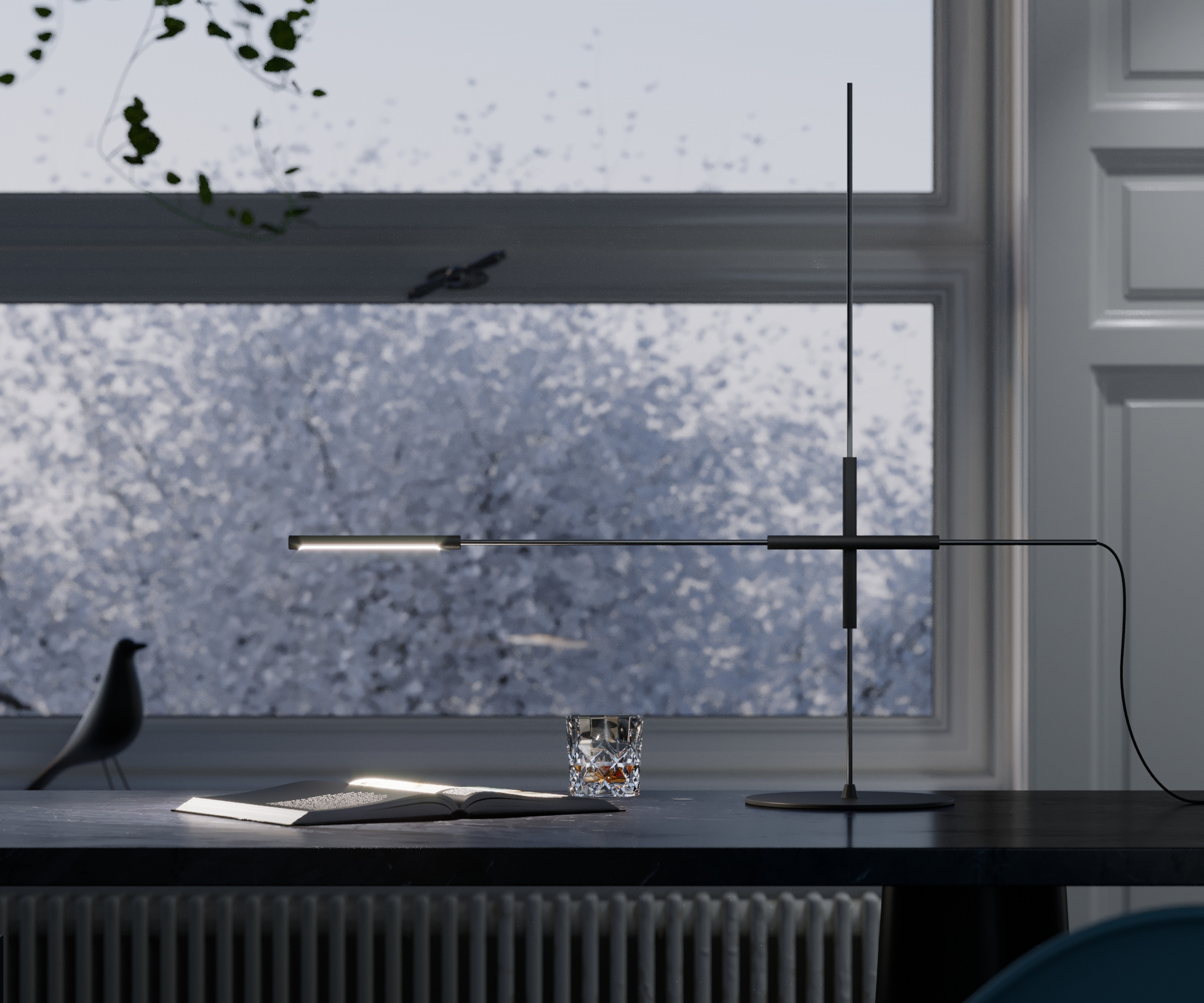
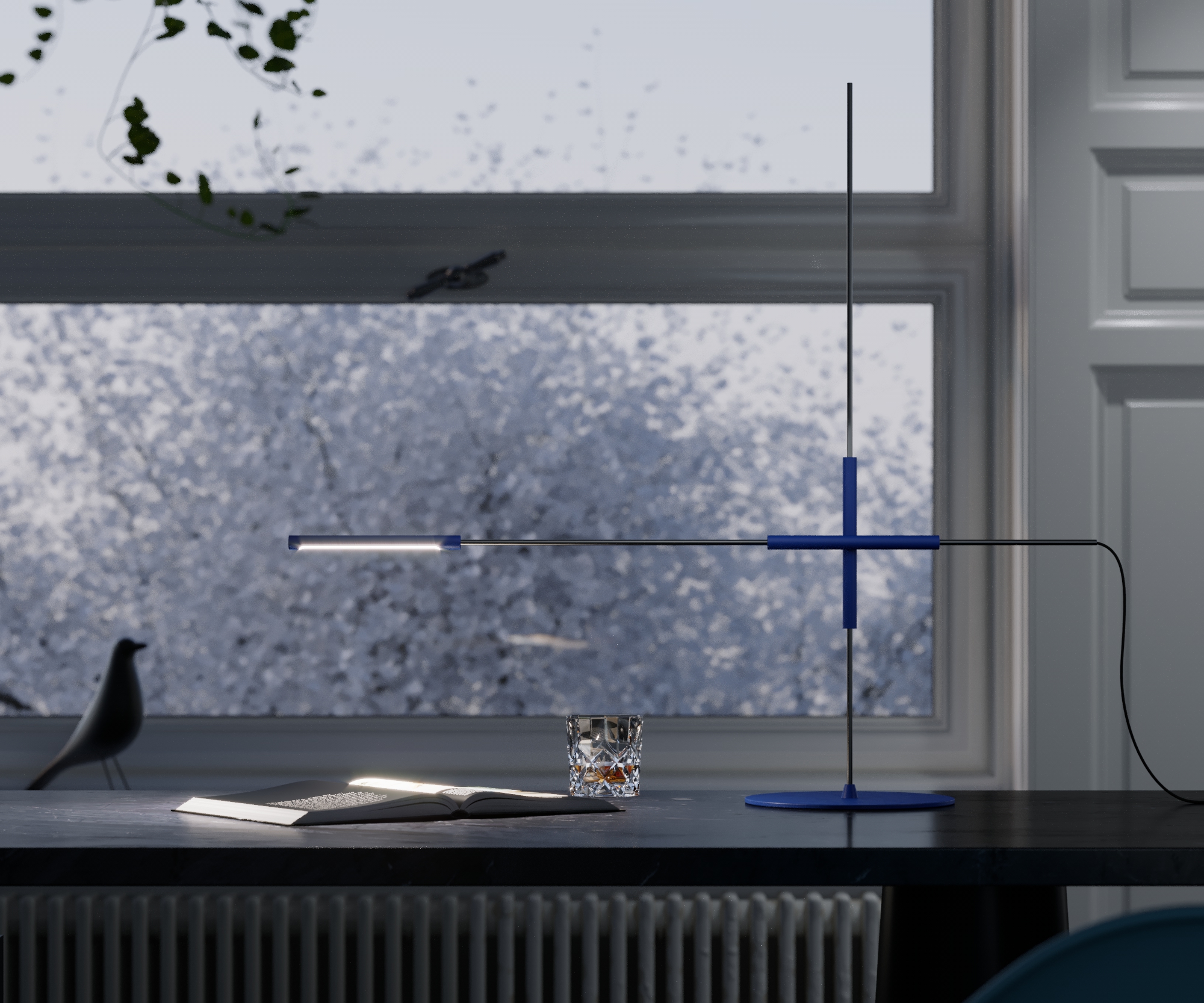
3. FLEXIBILITY
Throughout a product’s life cycle, continuous changes are often made, including adjustments to its appearance. Each change requires updates to all marketing materials, including images. With 3D renderings, these updates can be made with minimal effort and at a lower cost. Re-photographing a product would require the exact same studio setup, and if the shoot is location-based, this task becomes even more challenging, if not impossible.
4. CONSISTENT RESULTS
Compared to photography, 3D renderings offer better repeatability and consistency across all marketing materials. What does this mean in practice? Inconsistencies in photography are often noticeable in online stores, for example, when a product appears in a slightly different position each time its color changes. This problem is nearly impossible to solve with photography, but it’s easily addressed with 3D rendering.
5. ANIMATIONS AND VR/AR
In recent years, animations and VR have taken on a significant role in marketing. 3D animations offer endless possibilities for product presentations, free from the limitations of the real world. Products can change shape, color, float, disassemble into individual components, and reassemble, rotate, jump, or even dance—limited only by our imagination.
VR allows us to see products in a virtual space where they can be manipulated, rotated, opened, closed, and customized in color, providing a true sense of scale and interaction.
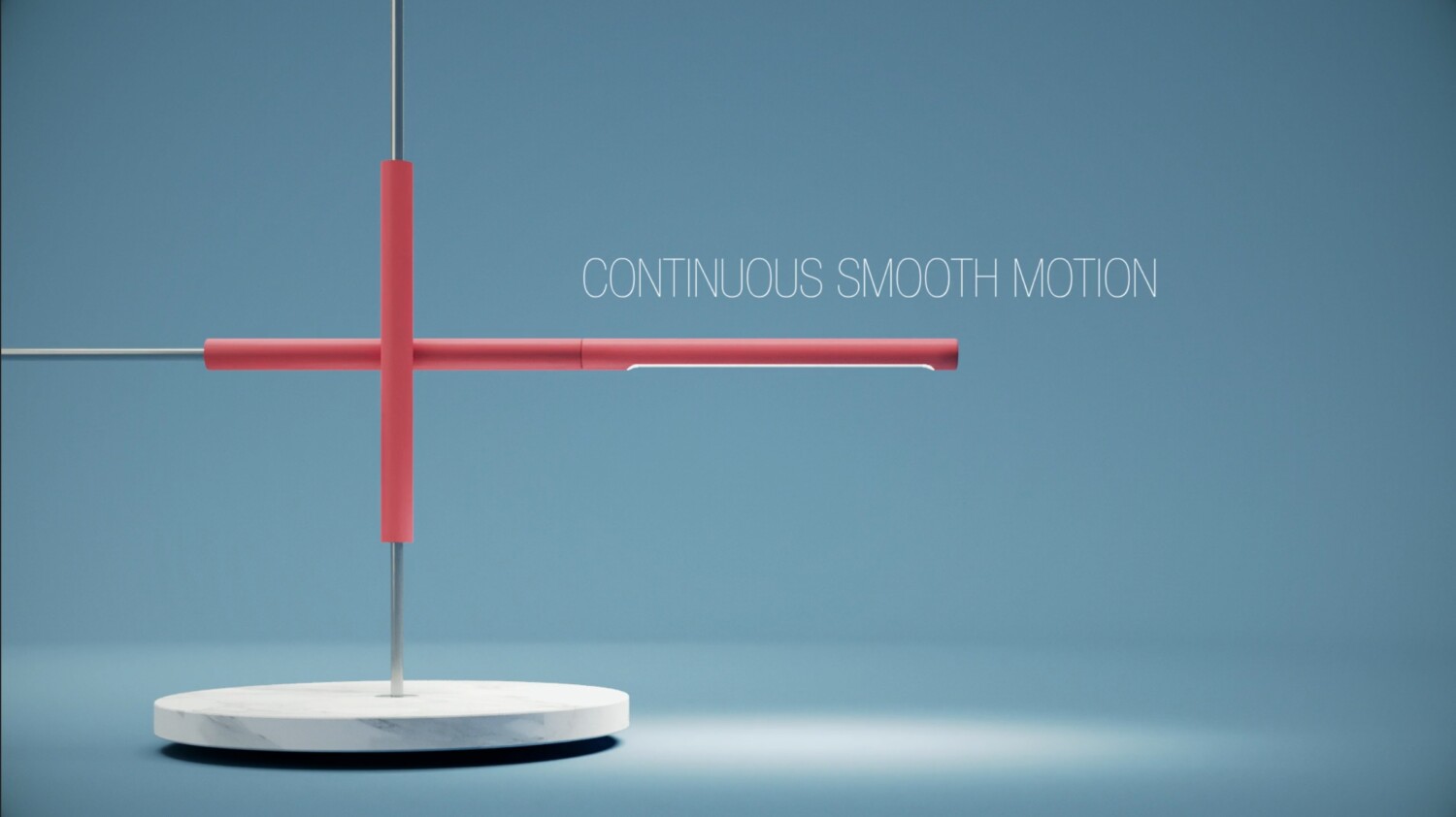
6. TECHNICAL DETAILS
Some products hide the essence of their functionality within, making it challenging to communicate these aspects to potential customers. This is where 3D visualization becomes an invaluable tool. It allows us to create realistic technical cross-sections and highlight important components using various graphic methods. Movements and rotations can be showcased, and exploded views can be created for technical instructions or assembly guides.
7. LONG-TERM COST EFFECTIVENESS
3D visualizations are a more economical solution in the long run. While the initial investment in creating 3D models may be higher compared to photography, the long-term savings are significant due to all the benefits mentioned above.
BENEFITS OF PHOTOGRAPHY
1. LOWER INITIAL INVESTMENT
In cases where large productions with complex locations, extensive equipment, and extras are not required, photography can be a more accessible choice. This is especially true when photographing a large number of items, such as on a white background, where quality is not the main priority and a single lighting setup can accommodate many products. Examples include photographing shoes, clothing, and food products. It’s important to note that shooting against a solid background is generally much easier and faster than capturing full scenes with many elements.
2. REALISM
Realism is inherent in photography, capturing even the smallest scratches and imperfections that add a layer of authenticity to a product. When this authenticity is desired, photography is the preferred choice. However, when it’s not, 3D rendering becomes more suitable, allowing us to recreate some of these real-world imperfections as needed.
Photography also has an advantage when showcasing products that require interaction with the body or parts of the human body, especially in video. The reasons are authenticity and complexity. While these interactions can also be recreated in 3D, it demands significantly more time and effort. Examples include sitting on a chair or sofa, cycling, or wearing glasses.

3. SPEED
For simple setups, photography is faster since there’s no need to create 3D models and textures. However, when dealing with more complex scenes, photography still involves significant time spent on acquiring or renting props, transportation, storage, and other logistics.
CONCLUSION
Every product and marketing campaign requires careful consideration of which visualization method is most suitable for your specific needs. However, it is evident that 3D technology is becoming an increasingly popular choice in the industry for creating advertising and presentation materials, as it offers the greatest flexibility and quality. The share of companies utilizing this technology is expected to continue growing in the future.

Matej Štefanac, architect and designer
CEO & Founder

